





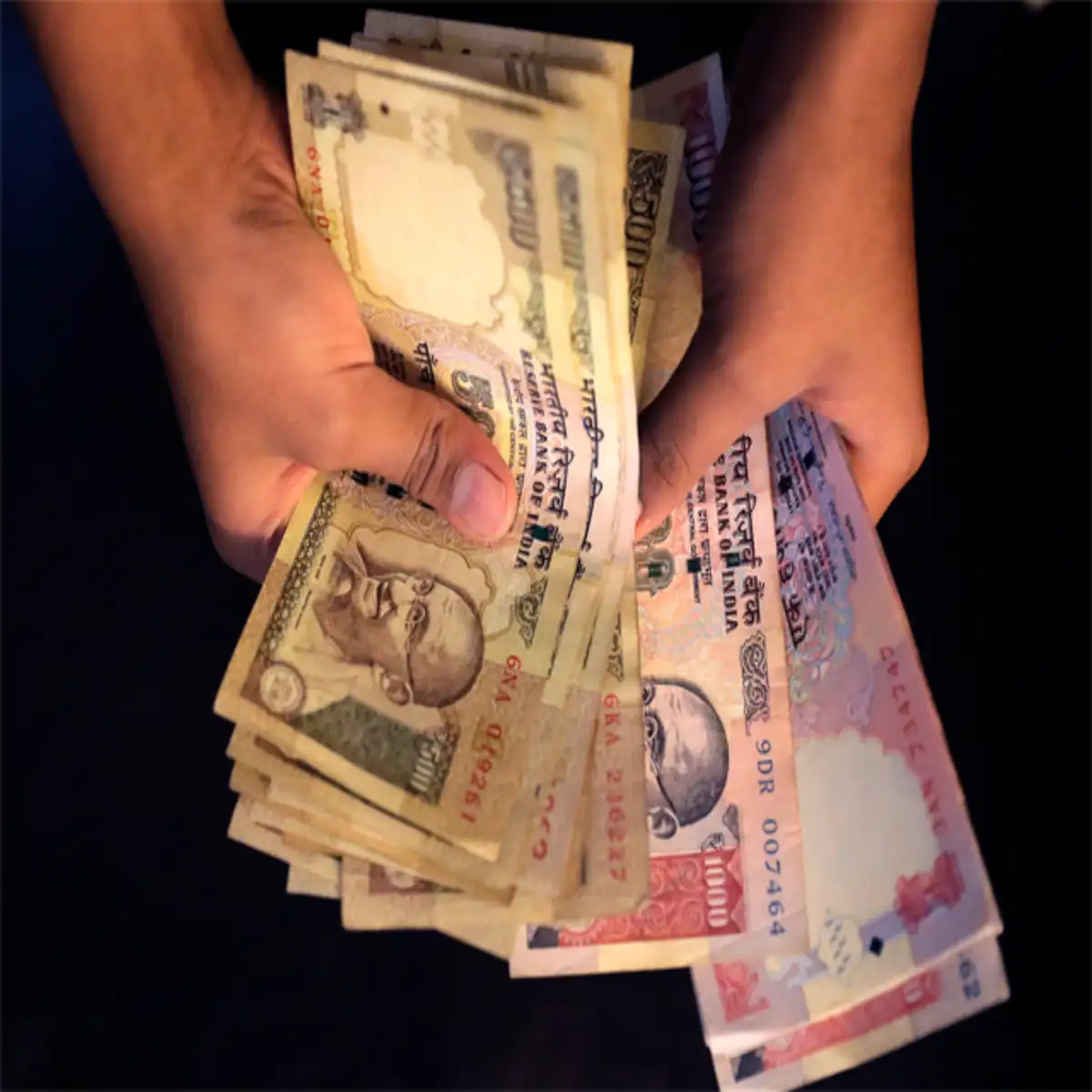
On the evening of 8 November 2016, the Government of India, via a televised address by Narendra Modi, announced that all existing ₹500 and ₹1,000 banknotes would cease to be legal tender from midnight. These two denominations accounted for approximately 86 % of the nation’s currency in circulation.
The move was aimed at curbing undeclared (“black”) money, counterfeit currency, and promoting a transition towards a more formal, digital economy. In the immediate aftermath, citizens queued overnight at banks and ATMs to exchange or deposit old notes, while cash shortages severely disrupted informal sectors and everyday transactions.
Over time, the policy’s effectiveness in achieving its stated objectives has been widely debated - some gains in digital payments and tax filings were recorded, but the cost to economic activity and employment in the informal sector was significant.


Post a comment

Tarot Forecast: November 30’s Promise for All Signs!
Today’s tarot reading offers guidance on finance, relationships, and clarity — urging balance, thoughtful action,...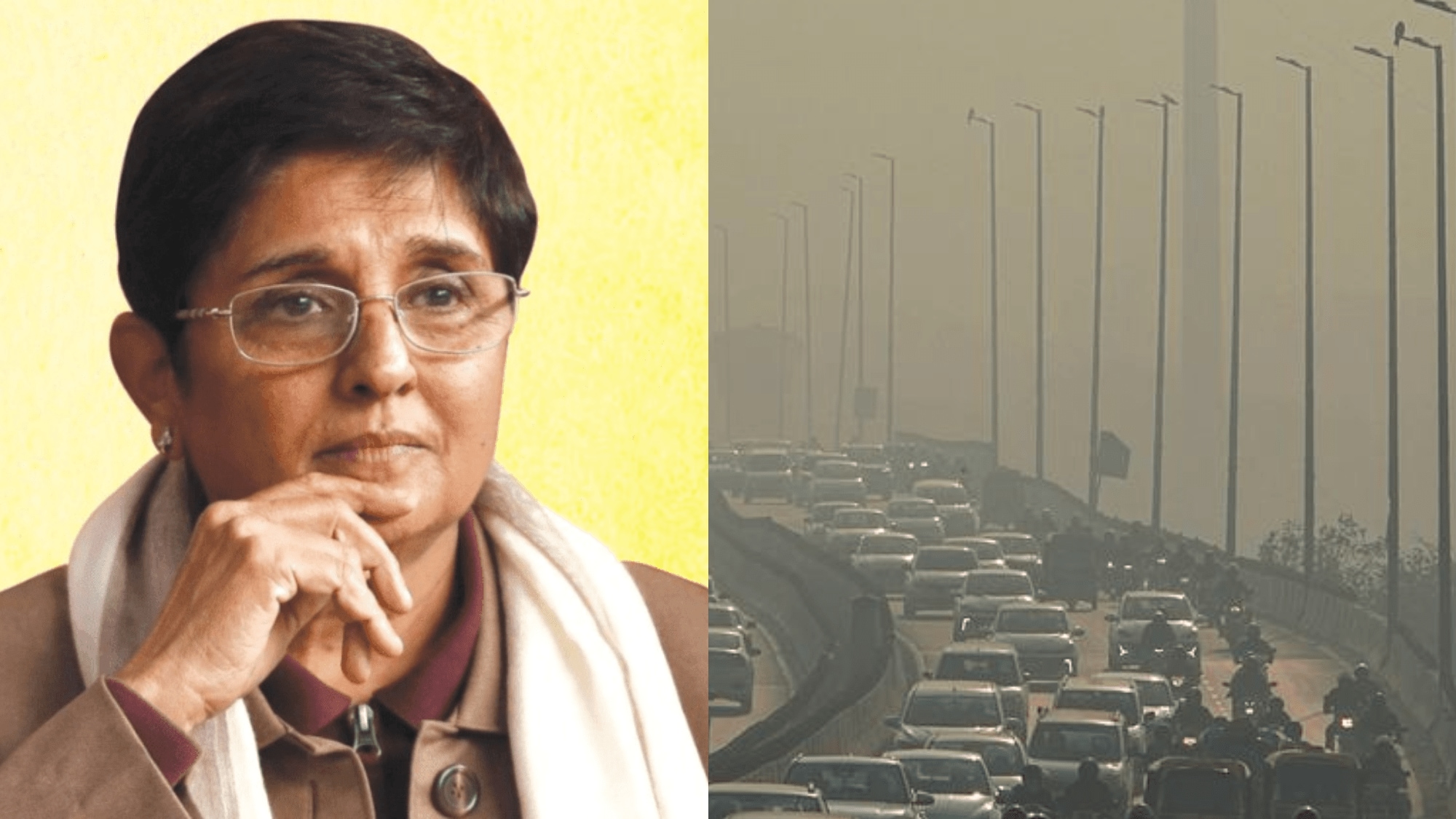
“Stand in dust, breathe same air” — call to fight...
Kiran Bedi demands that officials step out of boardrooms, breathe Delhi’s toxic air themselves, and...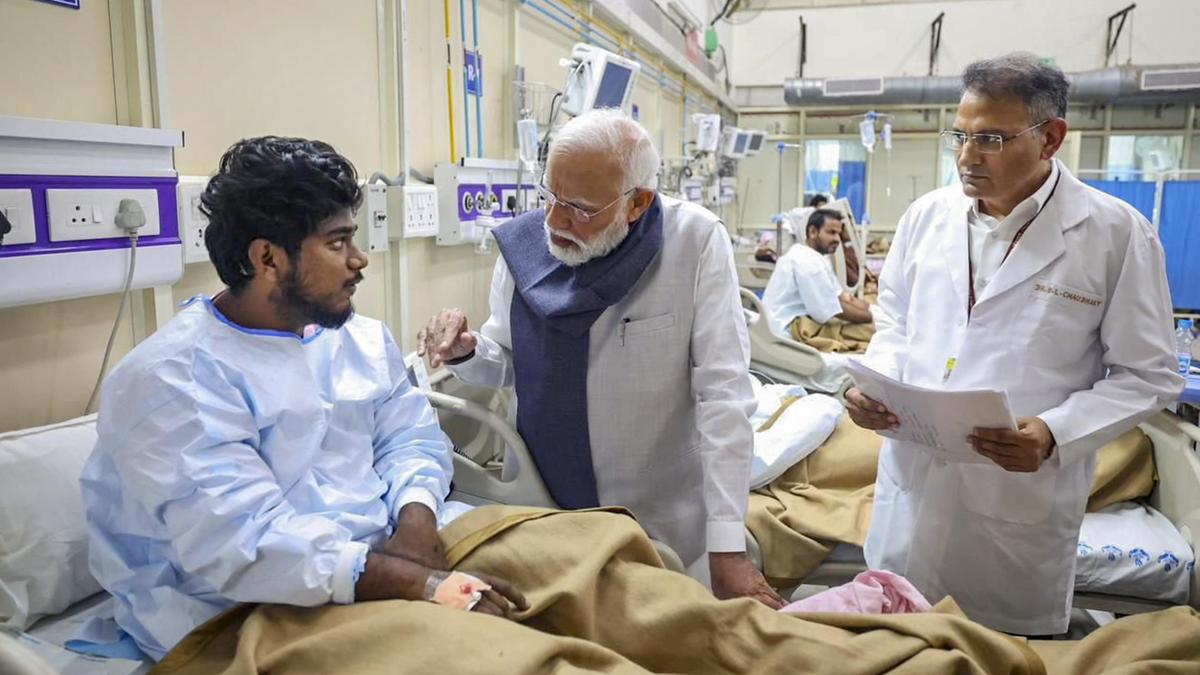
PM Modi visits blast Survivors at LNJP Hospital, Reaffirms Justice...
After the Delhi Red Fort blast, PM Modi met injured survivors at LNJP Hospital and...
Visible Luxury, Invisible Value — India’s iPhone Paradox!
Many Indians invest in high-priced iPhones as social status symbols — yet hesitate when it...