




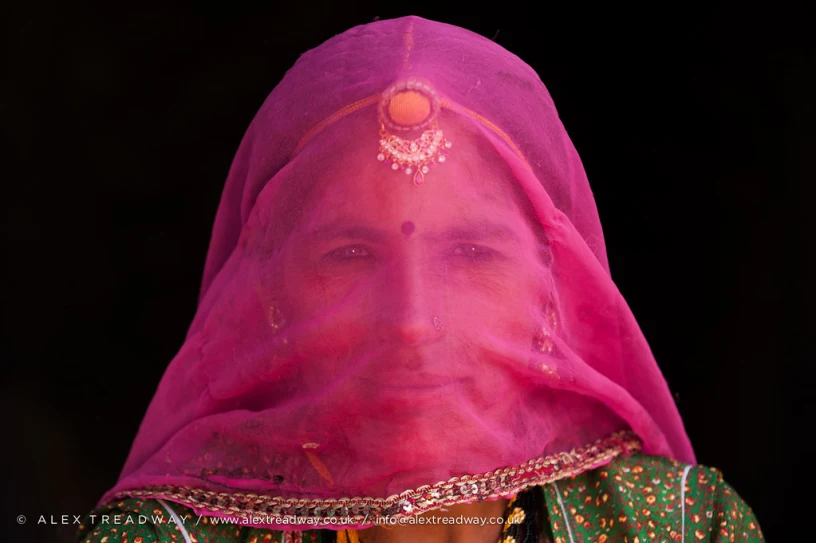
The ghungat is often described as an old Indian tradition, but its real history is very different. In ancient India, women did not cover their faces. They appeared in public, participated in rituals, and were represented openly in sculptures and paintings.
The clothing style of the time included an uttariya drape on the shoulder, not a veil on the face.
The practice of face-covering became common much later, especially during medieval times, when foreign invasions and social conflict increased. Families believed that hiding women would protect them. Over time, Rajput and North Indian households turned the ghungat into a sign of honour, passing it down as a cultural rule rather than a religious one.
Even today, the practice continues in parts of Uttar Pradesh, Rajasthan, Haryana, and Bihar, where women must cover their head or face in front of elders. Experts say it limits confidence, visibility, and independence, creating barriers to education and economic opportunities.
The ghungat is not an ancient tradition - it is a later social practice that still influences women’s lives today.


Post a comment

How India turns ghost tales into art and culture!
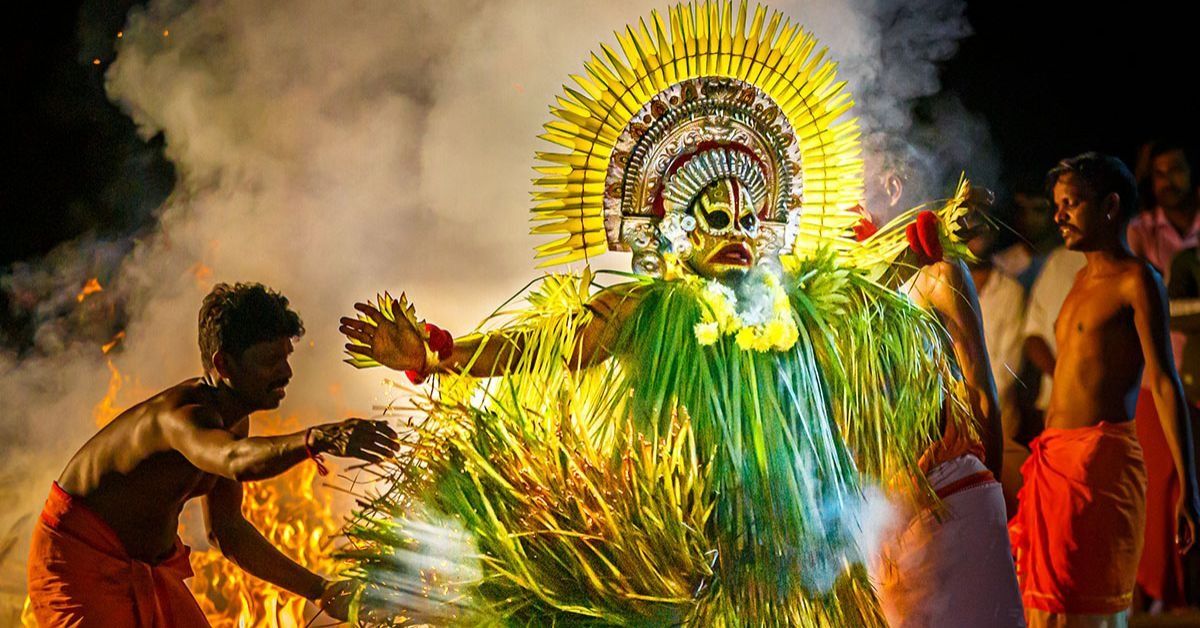
India’s own “Halloween nights” - from Bhoot Chaturdashi to Theyyam - blend light, folklore, and...
India’s only tribe where the girl gets dowry!
In one Indian tribe, marriage works very differently-but the truth behind this custom may challenge...
7 insanely mysterious places in India that everyone’s too scared...
Strange sights, unexplained happenings, and eerie legends await in India-places where reality blurs and curiosity...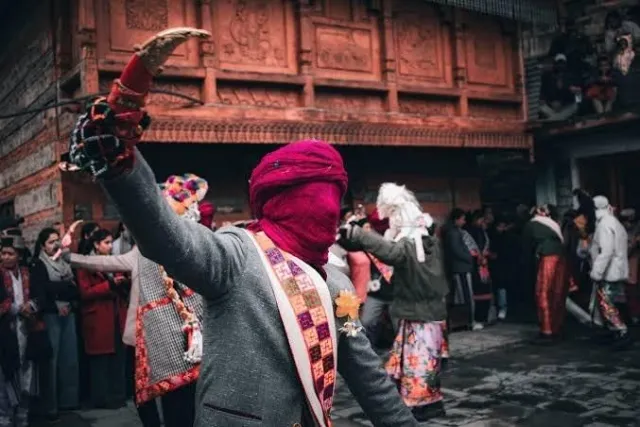
Why two men dress as bride and groom for fairies...
A mystical Kinnauri festival where masked performers honour Sauni fairies through rituals and dances at...