





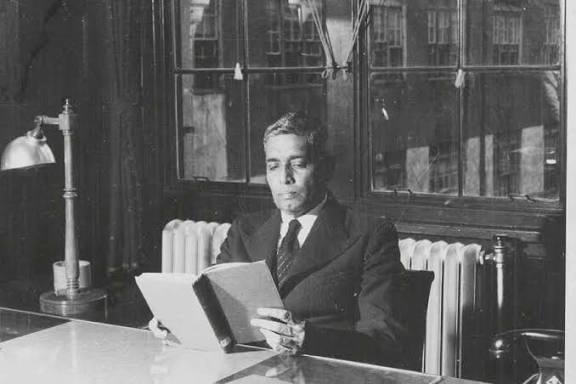
After World War II, as 25 top Japanese leaders faced trial before the Tokyo Tribunal, an 11-member global jury convened to deliver justice. Among them stood Radhabinod Pal, the only Indian and one of three Asian judges on the bench.
When the tribunal handed down its verdict in 1948 — branding all accused guilty — Pal broke away, submitting a detailed dissent of over 1,235 pages. He invoked the principle of “nullum crimen sine lege” (no crime without law), arguing that the newly formed definitions of “war of aggression” and “crimes against peace” could not be applied retroactively.
Pal accepted that Japanese forces had committed atrocities, but challenged the tribunal’s legal and moral authority. He condemned the trial as “victor’s justice,” criticized the exclusion of Allied war crimes — including the atomic bombings of Hiroshima and Nagasaki — and called for consistency in accountability.
Though his dissent didn’t alter the verdict, it earned him lasting respect in Japan. Monuments in his honour stand at shrines such as Yasukuni Shrine and Ryozen Gokoku Shrine.
As the world marks the 80th anniversary of the landmark Nuremberg Trials — and draws renewed attention to war-crimes justice via a new film — Pal’s courageous dissent prompts fresh reflection on law, morality, and who writes history.

Post a comment

Tarot Forecast: November 30’s Promise for All Signs!
Today’s tarot reading offers guidance on finance, relationships, and clarity — urging balance, thoughtful action,...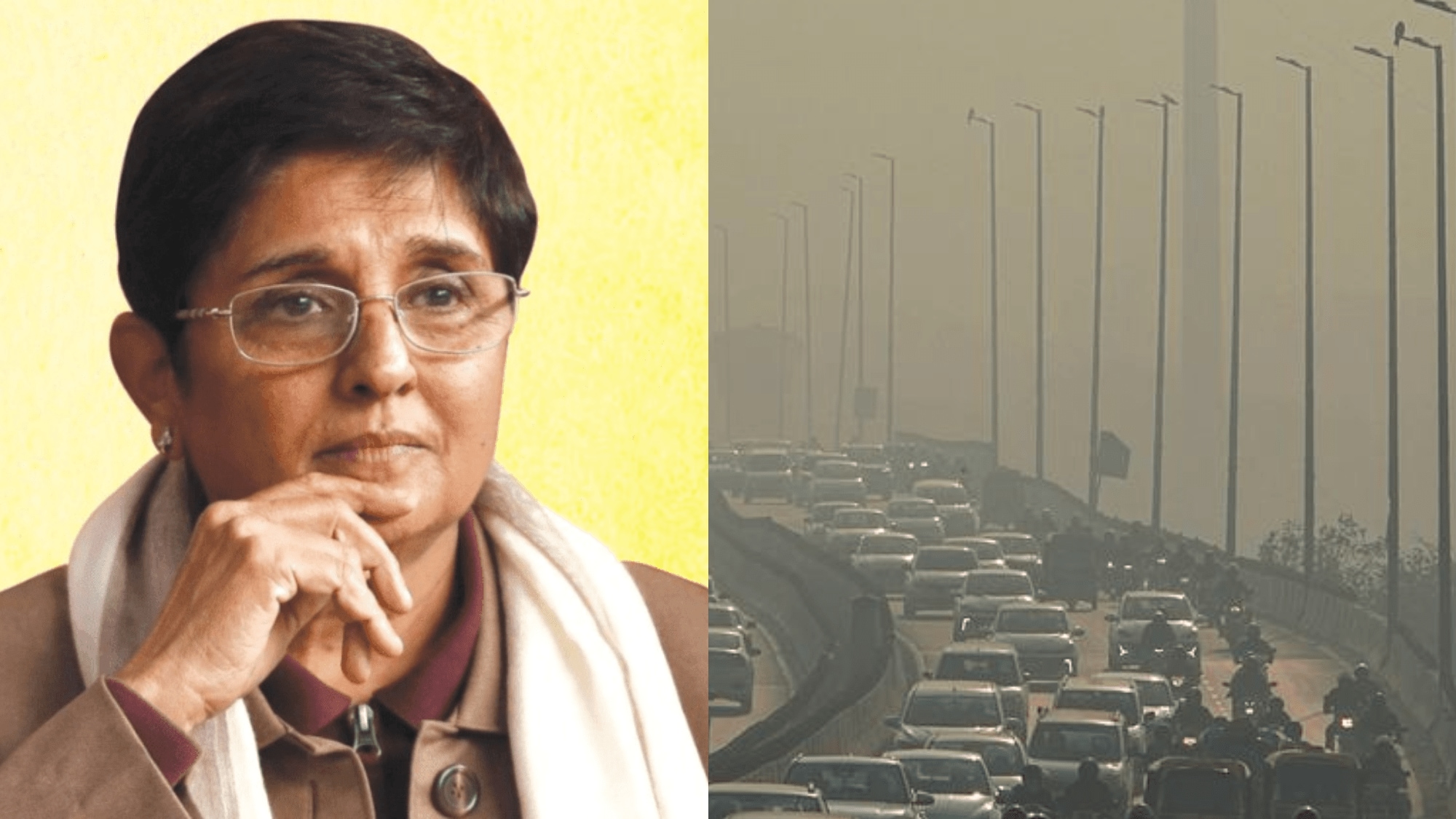
“Stand in dust, breathe same air” — call to fight...
Kiran Bedi demands that officials step out of boardrooms, breathe Delhi’s toxic air themselves, and...
PM Modi visits blast Survivors at LNJP Hospital, Reaffirms Justice...
After the Delhi Red Fort blast, PM Modi met injured survivors at LNJP Hospital and...
Visible Luxury, Invisible Value — India’s iPhone Paradox!
Many Indians invest in high-priced iPhones as social status symbols — yet hesitate when it...