




In India’s e-commerce boom, companies like Blinkit and Zepto have reset consumer expectations: groceries delivered in 10–20 minutes in major metros. Meanwhile, most D2C (direct-to-consumer) brands still rely on 3–5 day delivery cycles, third-party couriers and marketplace listings—sacrificing margins, brand control and customer loyalty.
Enter Pikndel: founded in Delhi by Siddharth Batra and Tullika Batra, this logistics startup gives D2C brands plug-and-play access to fast-delivery infrastructure—dark stores, local micro-hubs, a trained last-mile fleet—so they can promise 1-hour, same-day or next-day delivery directly from their own site or app. Early results already include major brands like Mamaearth and boAt adopting the model.
The article argues this shift is essential: speed is no longer optional—it boosts conversion rates (~30 %), improves cash-on-delivery success, and drives retention. But scaling fast delivery is hard: high inventory risk, dense fulfilment networks, real-time data, and cost control all matter. D2C brands that ignore this gap risk losing brand-promise credibility. In short: the delivery arms-race has expanded from grocery to every D2C brand—and infrastructure players like Pikndel may hold the key to bridging the gap.

Post a comment

India’s gold stash crosses $100 b -forex dips!
India’s gold reserves hit $102.365 billion, driven by soaring bullion prices—even as overall forex reserves...
India Must Build AI Models for Public Good!
Experts urge India to develop home-grown AI models tailored for governance, healthcare and inclusion—moving beyond...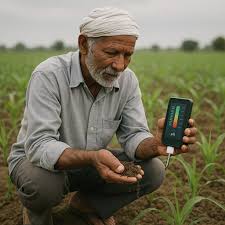
Glucometer-style Soil Testing Now in Farmers’ Hands!
A new pocket-sized device called NutriSens lets farmers test soil health in under five minutes...
World Bank Cuts India’s FY27 Growth Forecast to 6.3%!
The World Bank trims India’s FY2026-27 GDP forecast to 6.3 % amid elevated U.S. tariffs...