




On 12 November 1936, the Maharaja of the princely state of Travancore (in present-day Kerala) issued a landmark decree opening all state-controlled Hindu temples to all Hindus, irrespective of caste or “untouchability” status.
Why it matters:
-
Until then, many temples in Travancore denied entry to members of “lower” castes or those labelled untouchables. The Proclamation challenged this entrenched social-barrier. It is widely regarded as a major social reform milestone, especially in Kerala’s history of caste and temple-entry movements.
-
The Proclamation was preceded by movements such as the Vaikom Satyagraha (1924-25) which laid the ground for this change.
Key figures & institutions:
-
Chithira Thirunal Balarama Varma – the Maharaja of Travancore who signed the decree.
-
C. P. Ramaswami Iyer – then Prime Minister (Diwan) of Travancore, who supported the reform.
-
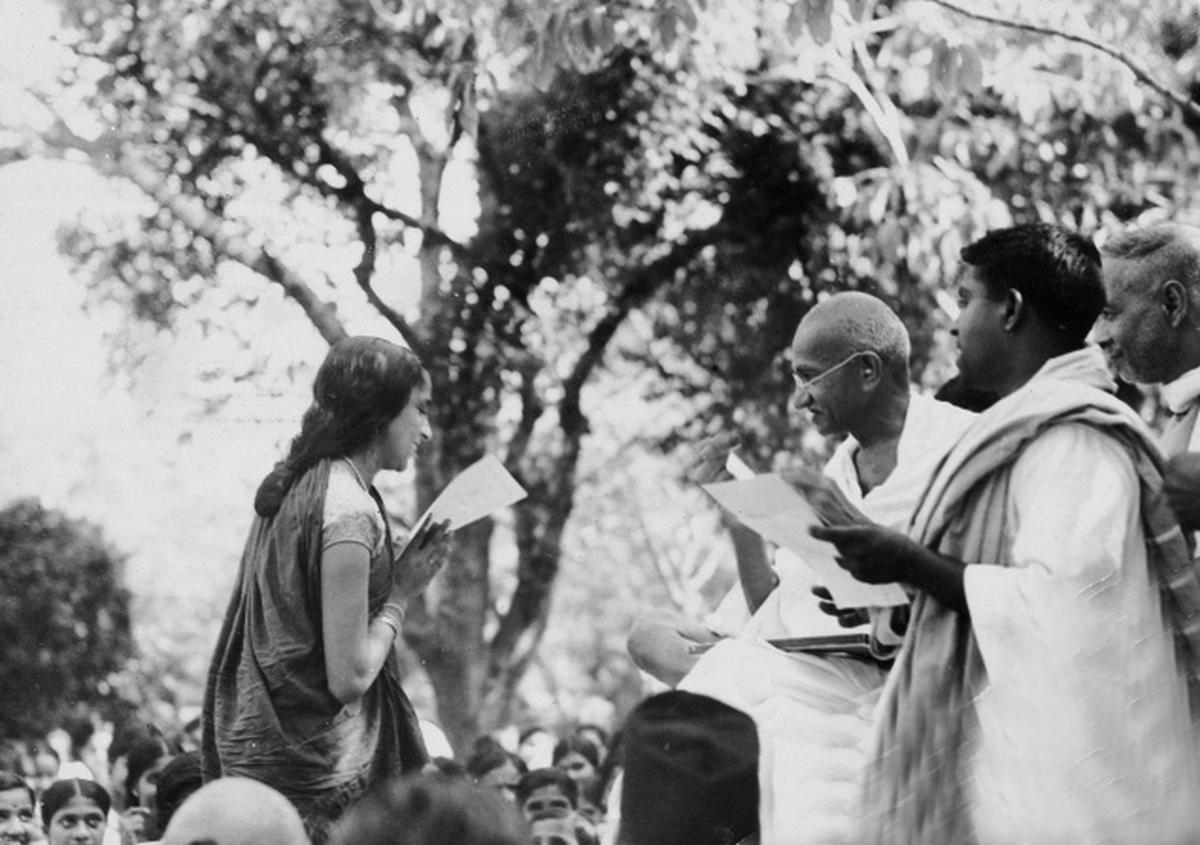
The reform drew praise from Mahatma Gandhi and other national leaders, who saw in it a significant step toward religious equality.
Broader impact:
-
Changed temple access laws in Travancore and set a precedent for other regions in India.
-
Marked a symbolic blow against caste-based discrimination in religious spaces.
-
Over time, contributed to the discourse on social reform, equality, and rights of Dalits and lower-caste Hindus in India.

Post a comment

Tarot Forecast: November 30’s Promise for All Signs!
Today’s tarot reading offers guidance on finance, relationships, and clarity — urging balance, thoughtful action,...
“Stand in dust, breathe same air” — call to fight...
Kiran Bedi demands that officials step out of boardrooms, breathe Delhi’s toxic air themselves, and...
PM Modi visits blast Survivors at LNJP Hospital, Reaffirms Justice...
After the Delhi Red Fort blast, PM Modi met injured survivors at LNJP Hospital and...
Visible Luxury, Invisible Value — India’s iPhone Paradox!
Many Indians invest in high-priced iPhones as social status symbols — yet hesitate when it...