





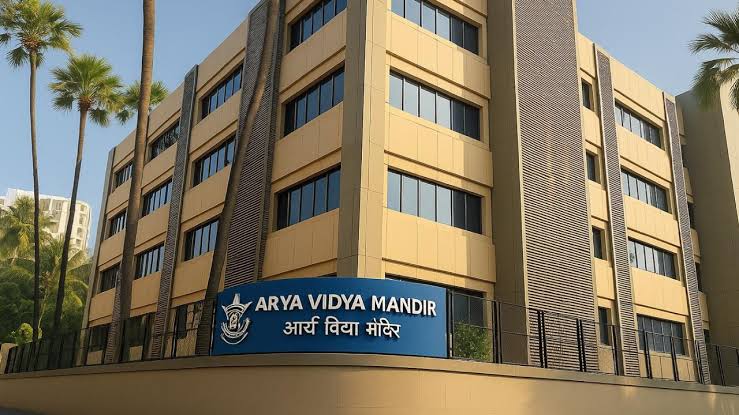
A growing shift in Indian school education is questioning whether exams are necessary in early learning years. The AVM Group of Institutions has adopted a bold approach — eliminating traditional exams until Class 7 and replacing them with experiential, qualitative assessments focused on understanding rather than memorisation. According to Director of Education Jyoti Kumar, learning is evaluated through projects, collaboration, and real-world activities that encourage curiosity and creativity instead of academic pressure.
The model integrates artificial intelligence, robotics, and STEM learning from early grades while simultaneously prioritising emotional wellbeing, vocational exposure, sports, and social-emotional development. Teachers undergo continuous professional training multiple days each week to adapt to evolving pedagogies and technology-driven classrooms.
Rather than exam preparation dominating childhood, assessments are embedded within engaging initiatives such as financial literacy projects, language celebrations, and experiential events that allow students to demonstrate learning organically. Formal board exam preparation begins only in higher classes, reducing stress during foundational years.
Aligned with the vision of NEP 2020, the approach signals a broader transformation — moving Indian education away from score-driven systems toward holistic development, adaptability, and lifelong learning skills needed in an uncertain future.

Post a comment

Side Hustle Or Study? Why Not Both!
Bengaluru startup Timbuckdo is revolutionizing India’s student economy by helping Gen Z "earn while they...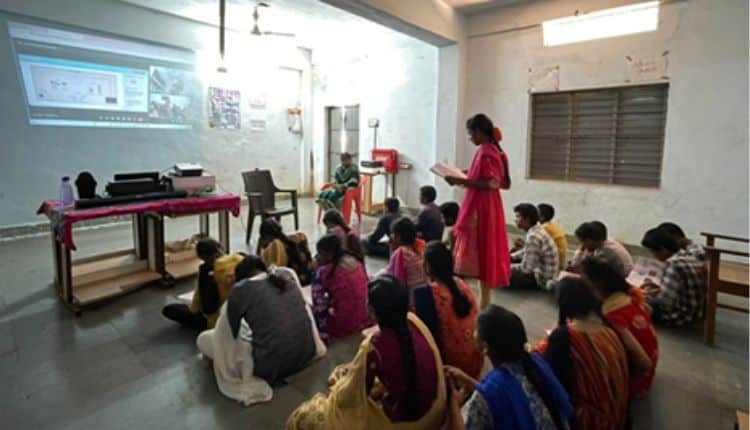
The Secret Weapon Closing India’s Massive Education Gap!
NGOs are revolutionizing rural learning by deploying digital tools, teacher training, and community centers to...
Today I joined India's Biggest Gen Z Voice Movement!
As a student leader from Delhi University, I joined Summarise’s National Campus Ambassador Program to...
Seven Indian Startups Saving The Planet Right Now!
Meet the eco-warriors transforming India's future with revolutionary battery recycling, bamboo-based packaging, and air purification...