





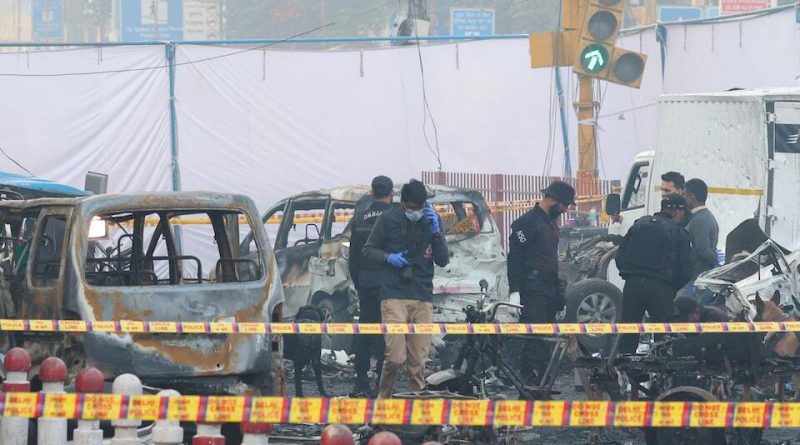
In its analysis of the Delhi Red Fort car-blast, India Today describes how India’s terror-response framework has evolved significantly since the 26/11 Mumbai attacks. The first emergency calls are received by local police, who immediately secure the site and dispatch fire and medical teams. Forensic experts from the Forensic Science Laboratory (FSL) are quickly brought in to assess evidence, while police cordon off the area to prevent further danger.
If terrorism is suspected, the state home secretary or DGP notifies the Ministry of Home Affairs (MHA), which can deploy central agencies. The NSG (National Security Guard) handles counter-terror operations such as hostage rescues and bomb neutralisation, operating under a unified command post overseen by the Home Ministry. Simultaneously, the NIA (National Investigation Agency) takes charge of interstate or cross-border terror investigations, coordinating with the Intelligence Bureau (IB) for intelligence.
At the same time, expert voices caution that intelligence sharing isn’t yet perfectly seamless. While the PMO can press agencies to cooperate, gaps remain in data centralisation and real-time communication.
Post a comment

Tarot Forecast: November 30’s Promise for All Signs!
Today’s tarot reading offers guidance on finance, relationships, and clarity — urging balance, thoughtful action,...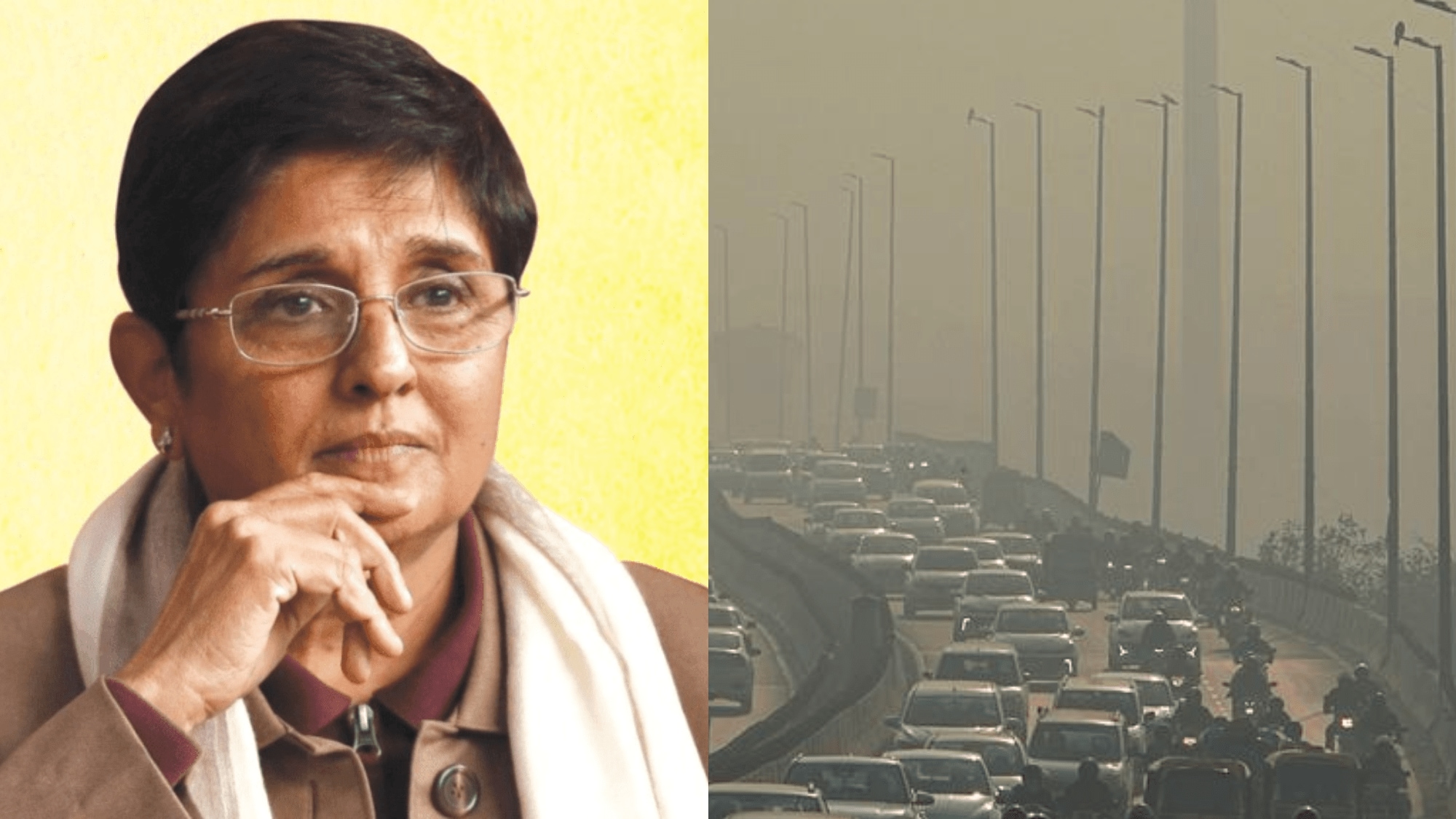
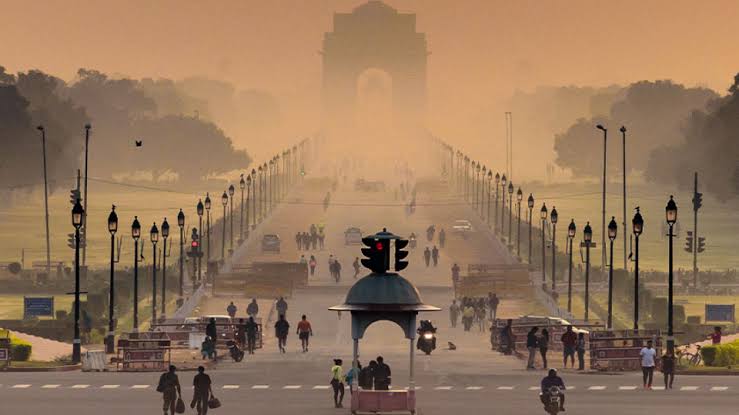
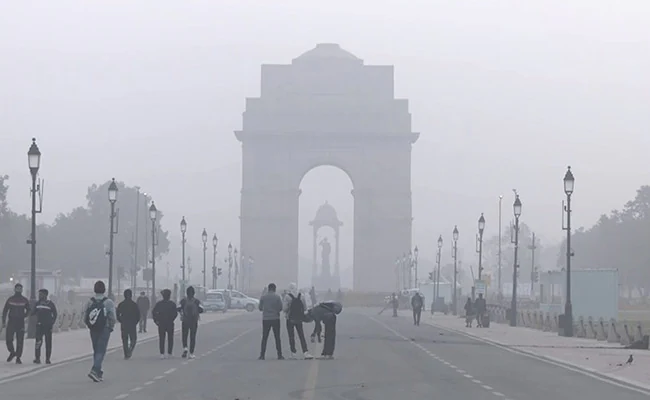
“Stand in dust, breathe same air” — call to fight...
Kiran Bedi demands that officials step out of boardrooms, breathe Delhi’s toxic air themselves, and...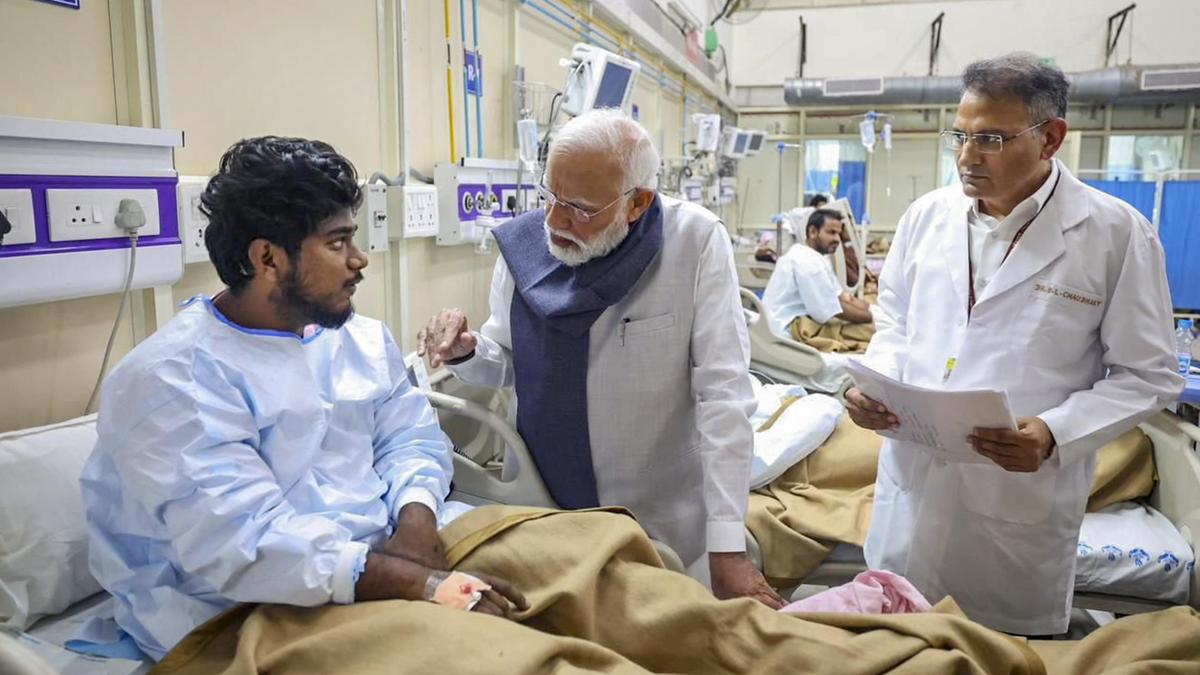
PM Modi visits blast Survivors at LNJP Hospital, Reaffirms Justice...
After the Delhi Red Fort blast, PM Modi met injured survivors at LNJP Hospital and...
Visible Luxury, Invisible Value — India’s iPhone Paradox!
Many Indians invest in high-priced iPhones as social status symbols — yet hesitate when it...