




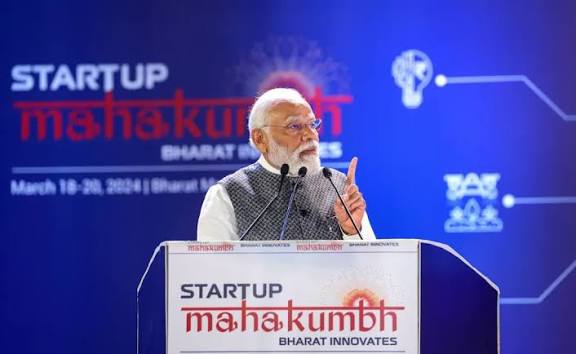
Ten years after its launch in 2016, the Startup India initiative presents a paradox of visible expansion but limited transformative impact. Designed to foster innovation and encourage risk-taking, the programme has produced over two lakh recognised startups and more than 125 unicorns, positioning India as the world’s third-largest startup ecosystem. Yet, beneath these achievements lies a more complex reality.
According to analysis, India has struggled to create globally disruptive technologies or sustainable innovation ecosystems independent of borrowed Silicon Valley models. Many highly valued startups remain unprofitable, patents often fail early scrutiny, and digital public infrastructures continue to rely heavily on state support. The ecosystem’s focus on rapid scaling and investor exits has frequently overshadowed long-term institutional development.
The article argues that Startup India progressed through phases—from ecosystem building and pandemic-era acceleration to post-funding reality checks—where failure was repeatedly reframed as progress rather than learning. Structural inequalities also shaped who could afford entrepreneurial risk, reinforcing elite participation while limiting broader experimentation. Ultimately, the initiative’s legacy may lie less in innovation itself and more in normalising a cycle where ambition persists, but systemic transformation remains unfinished.

Post a comment

India’s Return To Land Signals Lifestyle Shift!
Urban professionals across India are rediscovering farmland as more than an investment—embracing sustainability, wellness, and...
Indian Edtech Collapse Raises Questions Over Governance!
A once-celebrated Indian tech giant’s financial crisis and missing funds controversy expose deeper issues in...
Fake Resume Scandal Forces Startup Hiring Reset!
startup’s costly hiring mistake after trusting a fake resume highlights growing recruitment risks, pushing companies...
Seven Indian Startups Saving The Planet Right Now!
Meet the eco-warriors transforming India's future with revolutionary battery recycling, bamboo-based packaging, and air purification...
From Accenture To Lakhs: This Woman Smashed It!
Gurugram entrepreneur Shruti Kundan ditched her stable corporate career at Accenture to build Boholette, a...