





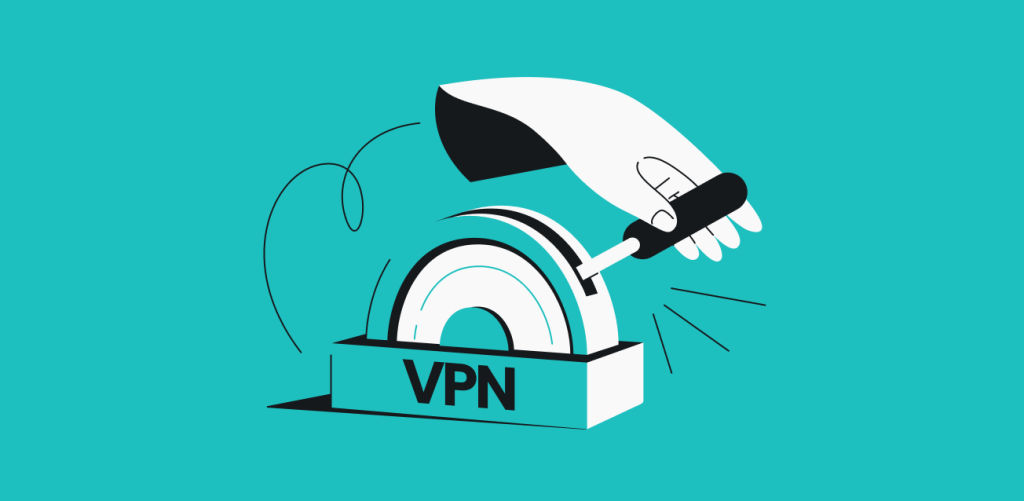
Sitting in a café, connected to public Wi-Fi, everything feels normal-scrolling, logging in, even checking your bank app. But that connection isn’t as secure as it seems.
That’s where a VPN comes in. A Virtual Private Network creates a secure, encrypted tunnel between your device and the internet. Instead of connecting directly, your data passes through a private server, hiding your real IP address and location.
Apps like NordVPN, ExpressVPN, and Proton VPN are widely used for this. They help protect your data on public networks and make it harder for websites or attackers to track you.
But here’s the catch-VPNs aren’t magic shields. They don’t make you completely invisible. Websites can still track you through cookies, logins, and your activity. And while your data is encrypted, it still passes through the VPN provider’s servers-so trust matters.
Think of a VPN like locking your door. It adds a strong layer of protection and reduces risk, but it doesn’t make you untouchable.
The smarter approach? Use it as one layer of safety-not the only one.

Post a comment


Designers are quietly leaving Figma…?
Designers are gradually moving beyond Figma as AI coding tools enable them to build real...
This new AI trend is quietly reshaping your job chances!
AI is transforming hiring with faster screening, but rising fake profiles and AI-generated resumes are...
Students might stop reading notes after this update!
Google’s NotebookLM adds Cinematic Video Overviews, turning documents into short AI-generated videos to simplify research,...
Watch stories secretly? Instagram’s new feature is wild!
Meta tests Instagram subscription with exclusive features, aiming to boost engagement and reduce ad dependence...