





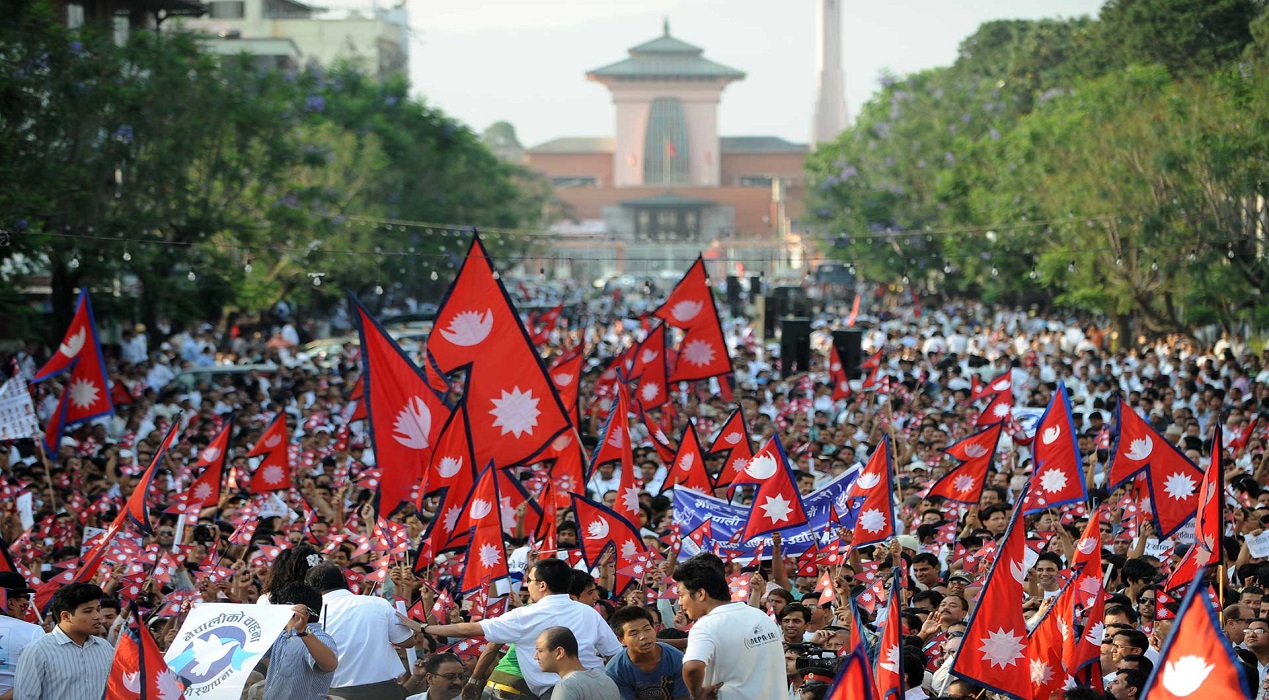
The journey of Nepal from a unified Hindu monarchy to a secular federal republic is one of the most dramatic political transformations in modern history. For over 240 years, the Shah dynasty exercised absolute authority, rooted in a feudal structure that concentrated power among a small elite. This system began to fracture in the late 20th century, leading to the decade-long Maoist insurgency (1996–2006), which sought to dismantle the "feudal foundations" of the state. The 2006 People’s Movement finally forced the monarchy to its knees, culminating in the 2008 declaration of Nepal as a republic, ending the reign of King Gyanendra.
However, "republicanism" has brought its own set of challenges. The current political moment is defined by a struggle to implement the 2015 Constitution, which aimed to decentralize power through federalism. Chronic instability—marked by frequent changes in government and shifting alliances between the Maoists, the Nepali Congress, and the UML—reflects the difficulty of transitioning from a top-down feudal mindset to a bottom-up democratic one. Issues of representation for marginalized groups like the Madhesis and Janajatis remain unresolved. As Nepal navigates its role between Asian giants India and China, its domestic success hinges on whether it can finally trade "palace politics" for a stable, inclusive governance model that serves its citizens, not just its new political "royalty."


Post a comment

Your Wardrobe Is Hidden Politics: Find Out Why!
Journalist Shefalee Vasudev explores how India's fashion and lifestyle choices are deeply intertwined with complex...
The Stars Have Spoken: Is Luck Yours?
Discover what the universe has planned for you today as planetary alignments shift, bringing unexpected...
Seven Indian Startups Saving The Planet Right Now!
Meet the eco-warriors transforming India's future with revolutionary battery recycling, bamboo-based packaging, and air purification...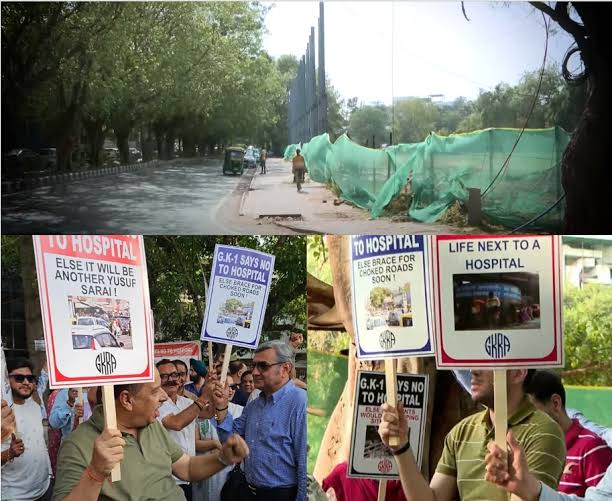
Why Is This Posh Locality Fighting A Hospital?
Residents in a South Delhi neighborhood are waging a fierce legal battle to stop a...