




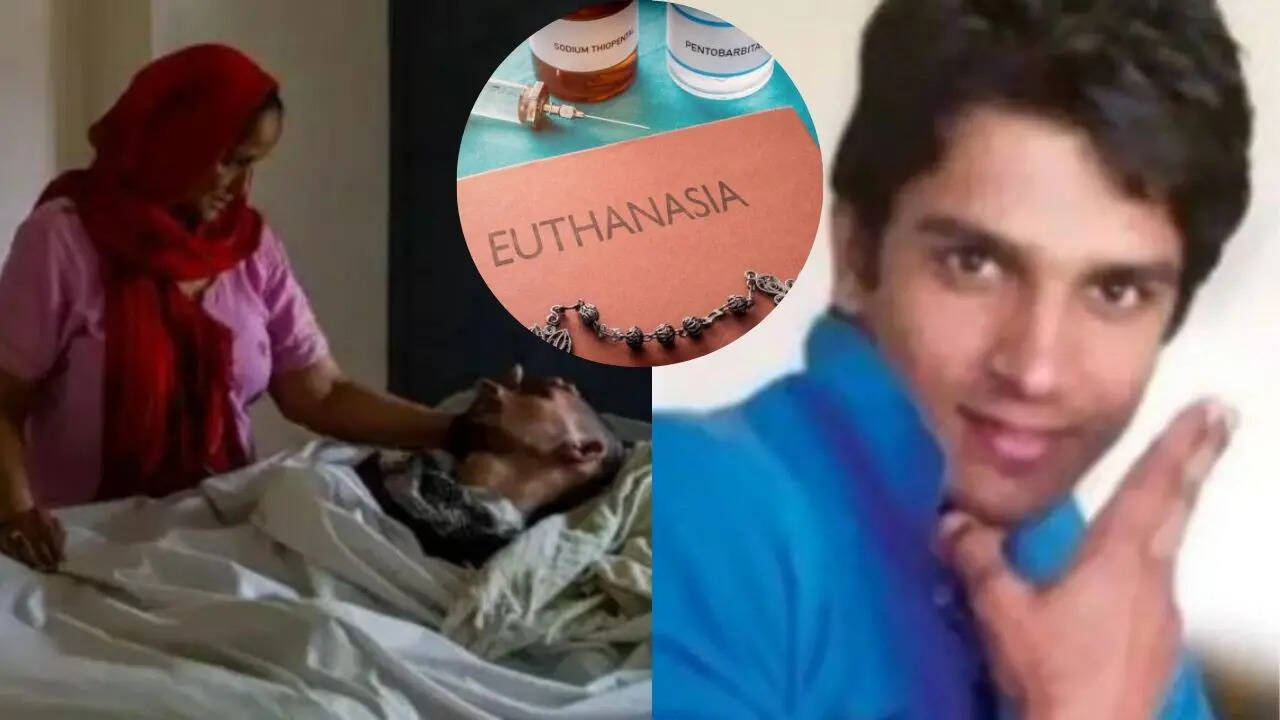
On 20 August 2013, Harish Rana, then a young engineering student, fell from the fourth floor of his paying-guest accommodation in Chandigarh. The accident caused severe brain injuries and left him in a permanent vegetative state, meaning he could breathe but had no awareness of the world around him.
For the next 13 years, Harish remained silent and completely dependent on medical support for survival. His parents cared for him every day, hoping that one day he might recover. However, doctors repeatedly confirmed that his condition was irreversible and had shown no improvement over the years.
After years of emotional and medical struggle, Harish’s family approached the Supreme Court of India seeking permission to withdraw life-sustaining treatment. On 11 March 2026, the Supreme Court delivered a historic verdict allowing passive euthanasia, meaning doctors could withdraw artificial medical support while ensuring he received palliative care and comfort.
Following the court’s order, Harish was shifted to the All India Institute of Medical Sciences in New Delhi, where the medical team began the end-of-life care process on 16 March 2026.
Harish Rana’s story is more than a legal case. It is a painful reminder of the emotional struggles families face when medicine can keep a body alive but cannot restore life itself. His case has now become a turning point in India’s ongoing debate about dignity, compassion, and the right to die.
Post a comment
Your Wardrobe Is Hidden Politics: Find Out Why!
Journalist Shefalee Vasudev explores how India's fashion and lifestyle choices are deeply intertwined with complex...
The Stars Have Spoken: Is Luck Yours?
Discover what the universe has planned for you today as planetary alignments shift, bringing unexpected...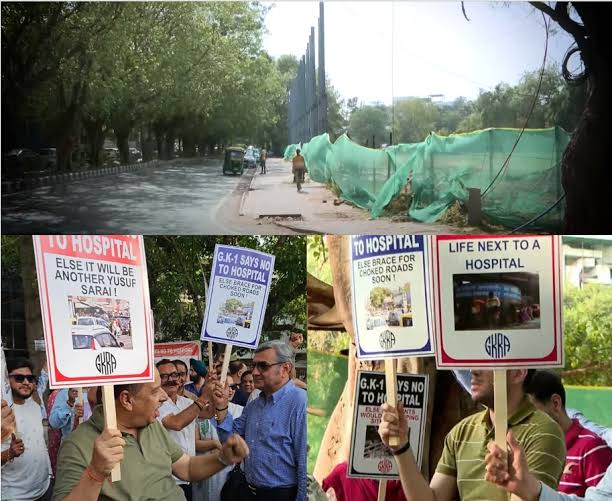
Why Is This Posh Locality Fighting A Hospital?
Residents in a South Delhi neighborhood are waging a fierce legal battle to stop a...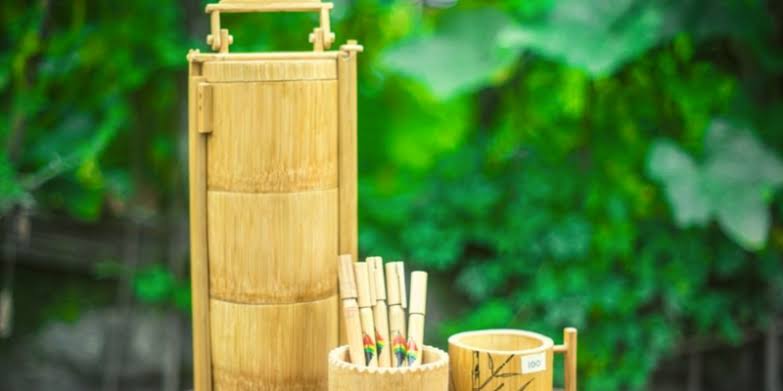
Seven Indian Startups Saving The Planet Right Now!
Meet the eco-warriors transforming India's future with revolutionary battery recycling, bamboo-based packaging, and air purification...