




With LPG cylinder prices increasing, many households are looking for affordable and sustainable alternatives for cooking. One practical solution is a home biogas plant, which converts everyday kitchen waste into usable cooking gas.
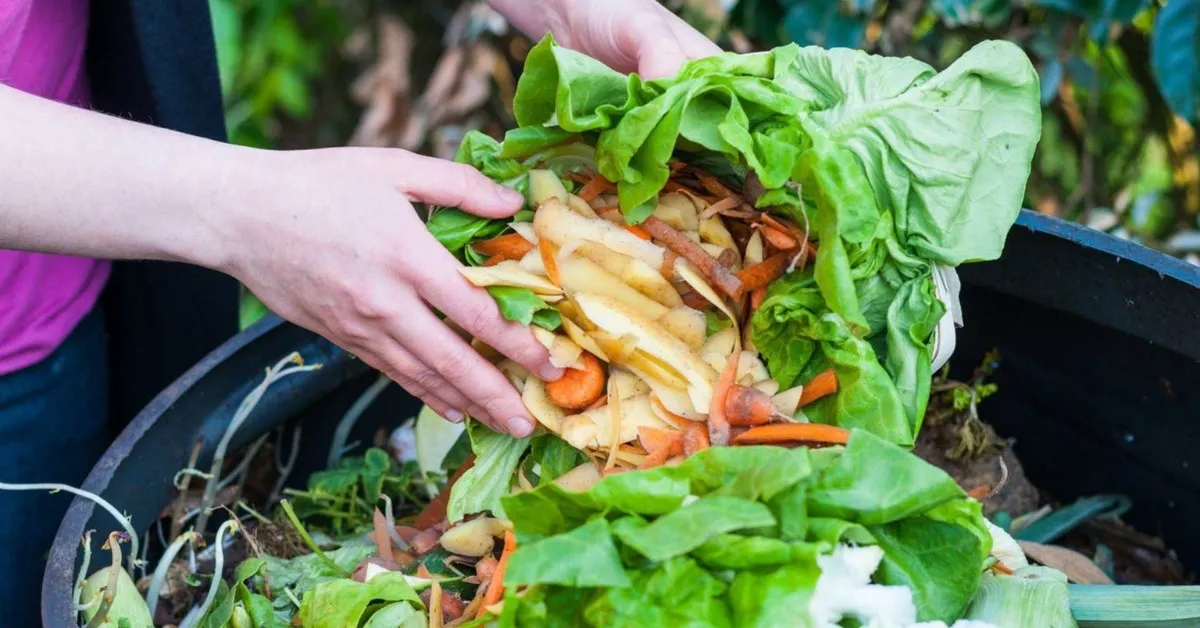
Biogas is produced when microorganisms break down organic waste such as vegetable peels, food leftovers, and animal dung in the absence of oxygen. This process releases methane gas, which can be used as fuel for cooking. The leftover slurry from the process works as a natural fertiliser for plants and gardens.
A small home biogas unit usually includes an airtight digester tank, inlet and outlet pipes, and a gas storage bag or drum. Waste is mixed with water to form a slurry and added to the tank. Within 7–15 days, bacteria begin producing gas.
Basic portable setups can cost around Rs 3,000–Rs 5,000, while larger permanent digesters may cost more.
By turning kitchen scraps into energy, a biogas plant helps reduce LPG use, manage waste, and promote a cleaner lifestyle.